%20(800%20x%20525%20px)%20(11).png)
Proctored programming exams have a quiet hole. The student takes the exam in the proctored room, then keeps the same session open on the same laptop after they walk out the door. Nothing on the server knew they had left.
That is the hole Exam Heartbeat closes.
What's Exam Heartbeat
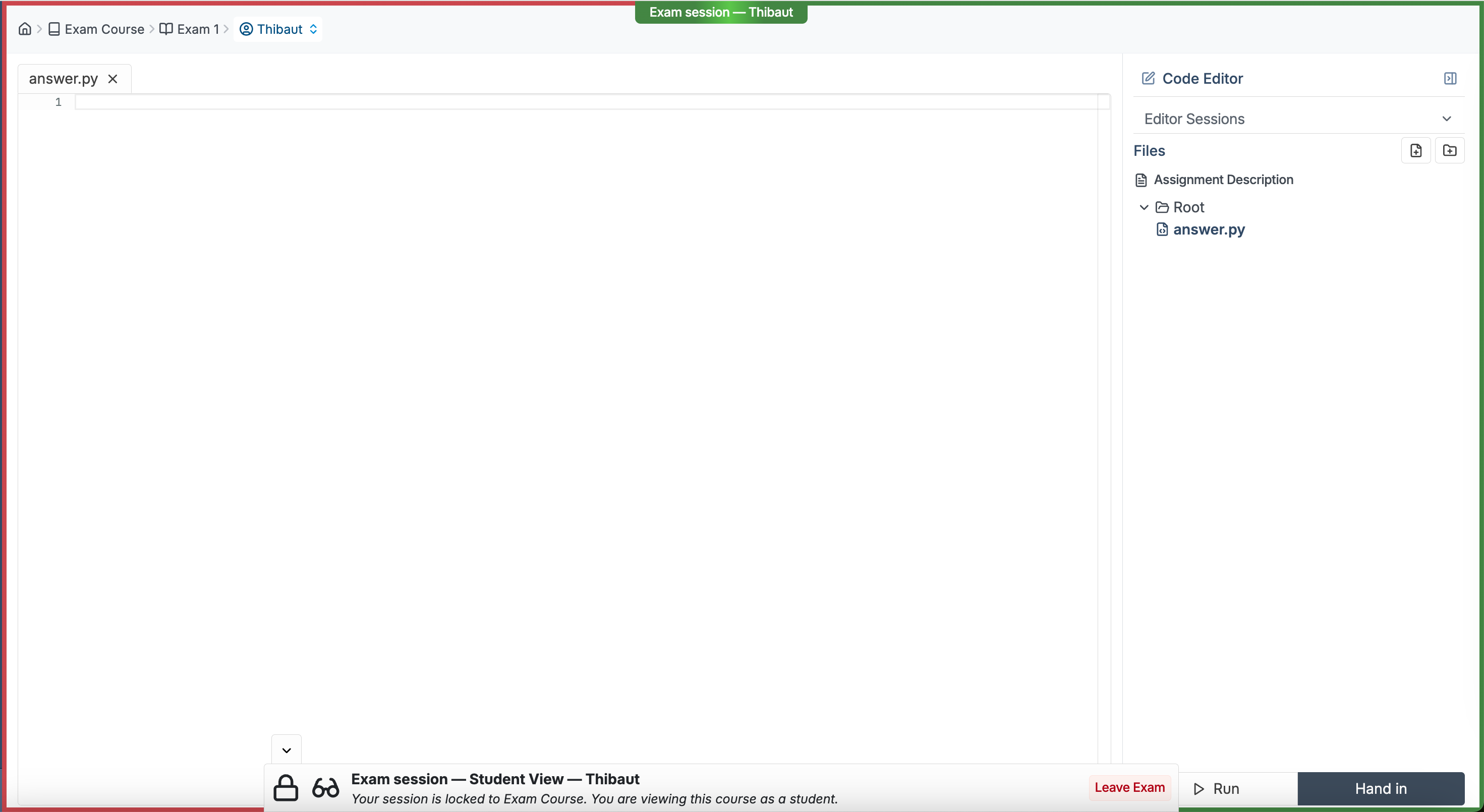
Exam Heartbeat is a new security control for your coding exams. When you turn it on for an assignment or course restriction, an isolated exam session is only kept alive while the student's browser is actively checking in with CodeGrade. If those check-ins stop for more than a few minutes, the session expires on its own. The student cannot continue the exam from a different room, a different network, or a different laptop just because the tab is still open.
It sits next to the security features you already had: session lockdown, IP restrictions, and access passwords.
How it works
Five things to know about how Heartbeat behaves under the hood.
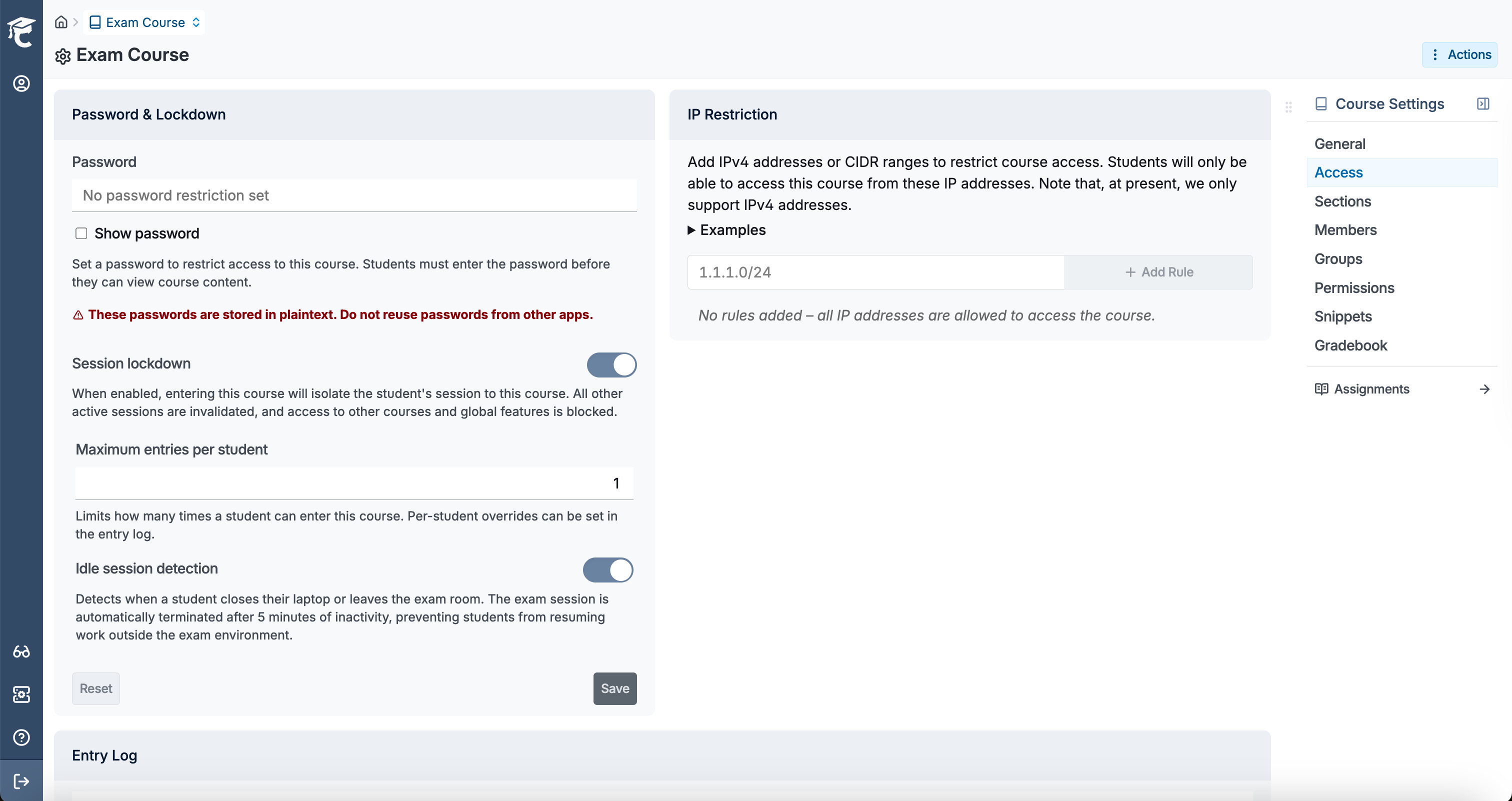
- It is a per-restriction setting. You enable Heartbeat on an exam course or on a specific assignment restriction. You do not have to turn it on globally.
- The student's browser pings the server on a short interval. Each ping confirms the session is still active and is being driven from the proctored machine.
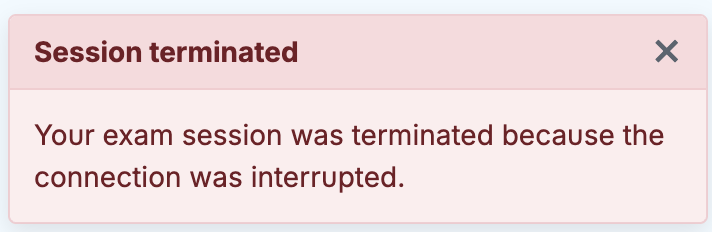
- If the pings stop for more than a few minutes, the session expires automatically. Whether the student closed the laptop, lost the network, or quietly walked out of the room, the session ends on its own without any action from the proctor.
- It runs on top of session lockdown. Heartbeat does not replace session lockdown. It is the layer that makes session lockdown durable across the full length of an in-person exam.
- The exam session indicator shows the state. The proctor and the instructor can see at a glance whether the session is healthy. If the indicator stops, the session is no longer being verified.

What this means for instructors
A few concrete scenarios that change with Heartbeat enabled.
- A student finishes early, walks out of the proctored room, and tries to keep coding from a quiet hallway. The session expires before they get to the next building.
- A student closes their laptop to take it elsewhere. The session expires while it is shut.
- A network drop in the exam room kills the connection. The session ends; the student logs back in on the proctored machine, and you let them resume from there.
- Someone tries to keep the same session token alive on another device. There are no pings from the original browser; the session expires.
If you run high-stakes programming exams, Heartbeat removes a class of cheating that used to require manual policing. The exam ends where the exam happens.
What didn't change
A few things that are still true after this release. Honest framing matters here.
- CodeGrade still locks the CodeGrade session, not the browser. Students can still open other tabs. For full browser lockdown, CodeGrade integrates with Lockdown Browser. Heartbeat does not replace that integration; it works alongside it.
- Heartbeat is optional. Existing exam workflows continue to work without it. You can leave it off for low-stakes assessments.
- Existing exam security features are unchanged. Session lockdown, IP restrictions, and access passwords behave the way they did before. Heartbeat is an addition, not a rewrite.
- Free-tier instructors get this too. Code Exams is part of the free tier, and Heartbeat is part of Code Exams.
Try it
Code Exams, including session lockdown and Heartbeat, are part of CodeGrade Free. Free for courses up to 50 students. No trial, no expiration.
Set up your next programming exam with Heartbeat on, and the session ends where the proctored room does.